CAMERAS

Nikon Z6
After many years as a Sony user, I decided to try something new! The Nikon z6 has the same sensor as the Sony a7iii, which makes it a low-light photography powerhouse!
Nikon Z7
After switching from the Sony a7 III to the Nikon Z6, I was instantly smitten! The image quality was noticeably better than with the Sony a7 III, and after giving it a lot of thought, I decided I wanted more megapixels. The Nikon Z7 is the Z6’s bigger brother and offers the same features and image quality—but with 45 megapixels instead of 24.

Sony a7s
I mainly use this camera today for my astrovlogs and general video work at night. You can sometimes find this camera for less than €500 on the second-hand market, which makes it one of the best cameras for beginners. However, it has many of Sony's teething problems, such as the terrible battery and the well-known "star eater" issue.
LENSES

Sigma 28-45mm f/1.8
This versatile zoom lens offers an impressive maximum aperture of f/1.8, making it ideal for astrophotography. Three Lenses one—28mm (very close to 24mm), 35mm, and 45mm. Its incredibly high sharpness at all focal lengths, combined with minimal optical issues such as astigmatism, makes it an all-around choice for astrophotography.

Sigma 65mm f/2
This compact and extremely sharp lens offers a medium focal length that is ideal for detailed shots of larger nebulae and panoramas. Sigma's C series was affected by internal IR leaks for a long time, which unfortunately rendered it unusable. However, after the latest firmware update, that is now a thing of the past, and I can recommend every lens in the C series, such as the 20mm, 24mm, 35mm, 45mm, and 50mm f2!

Samyang 135mm f/2
One of the most popular telephoto lenses among astrophotographers, known for deep sky photography of nebulae and larger galaxies. The combination of a 135mm focal length and f/2 aperture enables detailed, fast shots of celestial objects. Thanks to its perfect sharpness even at open aperture and its low price, it is the best entry-level lens for deep sky photographers.

Sigma 14mm f/1.8
A true classic for astrophotography: with its ultra-wide angle of view and high light intensity of f/1.8, this lens captures the vastness of the night sky in brilliant detail. Perfect for the Milky Way, star trails, or the Northern Lights. Its sharpness right into the corners and low coma make it an excellent choice of equipment for astrophotography.

Viltrox 20mm f/1.8
A powerful wide-angle lens with a generous aperture of f/1.8, ideal for capturing the Milky Way and night sky panoramas. This lens was one of the first lenses from Viltrox for the Sony E-mount—it had a few weaknesses, such as quite strong astigmatism at f1.8, but this disappears at f2.8! An affordable choice with strong performance.
Star Tracker

MSM NOMAD
A compact, lightweight star tracker, ideal for beginners and travel. It allows for short exposures without tracking errors, perfect for Milky Way photography. Thanks to its portability, it fits in any luggage.
Use the code "jakob" to save 5%!

Skywatcher Star Adventurer
A versatile star tracker for longer exposures and precise tracking. It is suitable for cameras with larger lenses and light telescopes, ideal for the Milky Way and larger deep-sky objects.

Skywatcher Star Adventurer GTI
This tracker combines mobility with computer-controlled GoTo tracking. With Wi-Fi control and precise tracking, it is perfect for deep-sky objects and ambitious astrophotography for beginners—just like the normal Star Adventurer, only better!
FILTER

Hoya Red Enhancer
Enhances red and brown tones, allowing hydrogen nebulae and other deep-sky objects to appear in greater detail. Perfect for shooting in rural environments with slight light pollution.

Rollei Astro Clear
This filter reduces light pollution and highlights deep-sky objects that glow in the light of hydrogen. Perfect for shooting in rural environments with slight light pollution.

Kenko Prosofton Clear Pro1D
This filter creates a soft glow effect around bright stars, giving images an aesthetic, slightly dreamy look. Perfect for highlighting constellations or creating more creative images.
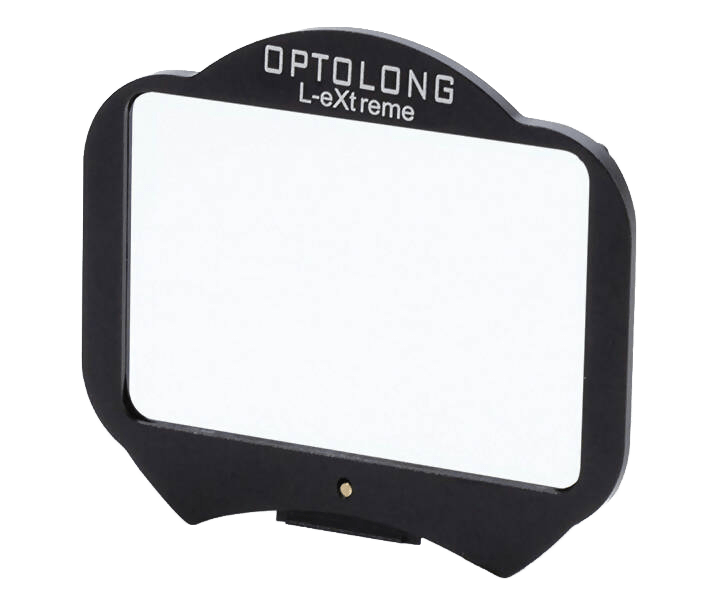
Optolong L-Extreme
The Optolong L-eXtreme is a dual narrowband filter that selectively transmits H-alpha and OIII light while largely blocking out distracting ambient light. This makes it particularly well-suited for photographing emission nebulae, even in areas with significant light pollution.
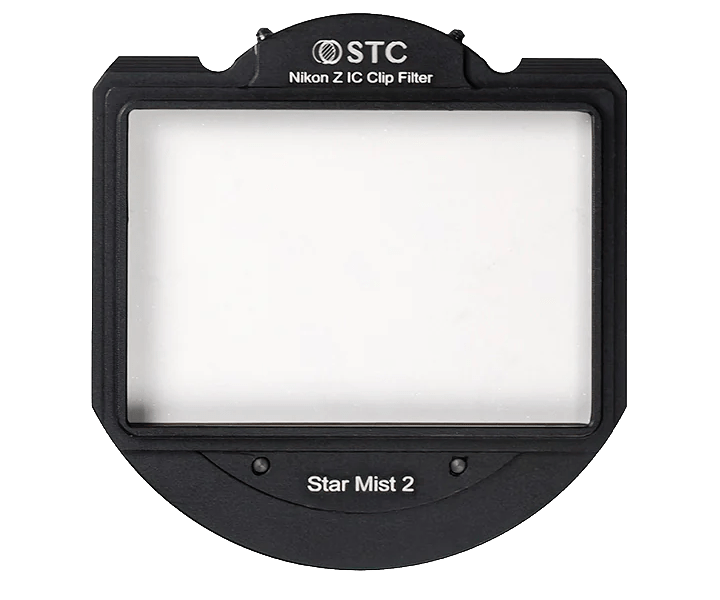
STC Star Mist
The STC Star Mist filter makes bright stars appear larger and softer, creating a more natural, atmospheric look.
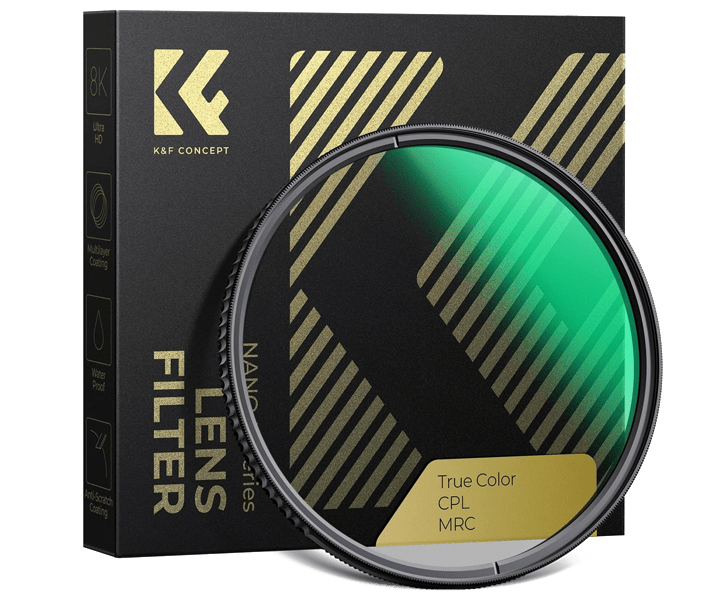
K&F Concept Polarizing Filter
A polarizing filter can reduce stray light at night, enhance contrast, and slightly darken the sky in moonlight. This often makes astro-landscapes appear clearer and more atmospheric.
ACCESSORIES

MSM Z-Plate
Perfect for achieving a straight alignment on a star tracker. However, should only be used with lightweight equipment.
Use the code "jakob" to save 5%!

Rollei c6i
A medium-sized, lightweight, and stable tripod

Rollei c5i
A small, lightweight, and stable tripod

remote shutter release
The Pixel tw-283 is one of the most popular remote shutter releases in the community.

panoramic head
The Andoer PH-720B is my top recommendation if you want to take accurate panoramas.

Andoer VH-10R
A more stable version of the Z-Plate from MSM. I always use it in combination with my Andoer Ninja Panorama Head!

Lens mount adapter
This makes it possible to use Sony E-mount Lenses Nikon Z cameras.

lens warmer
A must-have to protect your lens from dew and frost!

Anker 26800 mAh power bank
More than enough power for on the go and for up to 3 devices

Anker 20000 mAh power bank
More than enough power for on the go and for up to 2 devices